The Future of Junior Developers in Software Engineering
By Madona Wambua, Google Developer Expert (Android), Author, and Women Techmakers Ambassador

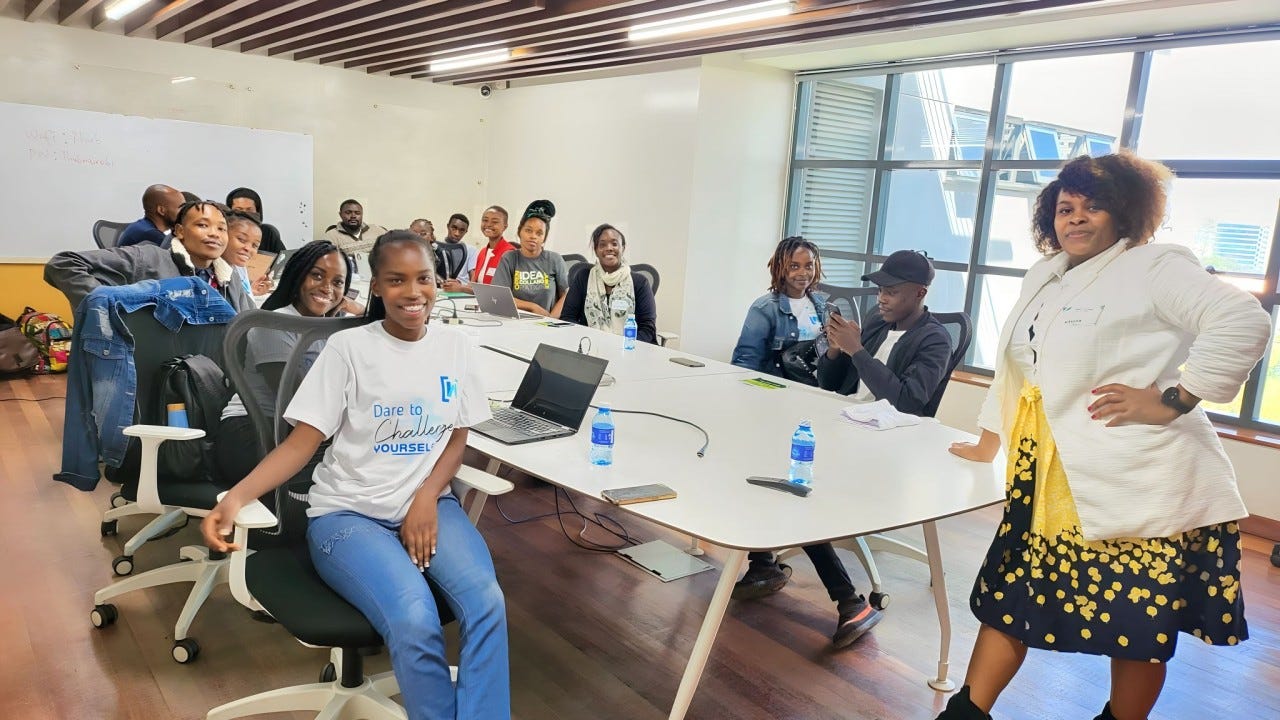
As someone who has spent years mentoring aspiring developers through organizations like Monday Girl, UStrive, and university programs at NYU and Columbia, I’ve witnessed firsthand the dreams, anxieties, and resilience of the next generation of technologists. Yet, lately, one question keeps resurfacing: “Is there still a future for junior developers?”
It’s a fair question and one that reflects a real, troubling shift in our industry.
In 2025, the entry-level job landscape looks very different from what it did five years ago. According to LinkedIn’s Emerging Jobs Report (2025) and Stack Overflow’s Developer Survey, roles for junior or entry-level developers have dropped by nearly 35% in postings compared to 2021. Many companies are seeking engineers who can “hit the ground running,” often meaning three to five years of experience, even for positions once labeled “junior.”
Part of this change is due to AI integration and automation. GitHub’s latest State of the Octoverse report shows that developers using AI tools like Copilot or Gemini write code up to 55% faster, reducing the need for large junior teams handling boilerplate tasks. While this is great for productivity, it also means fewer learning opportunities for new graduates trying to get their start.
For mentors like me, this trend poses a difficult dilemma. I can encourage students to study computer science, to build projects, to attend meetups, but what happens when the jobs simply aren’t there?
This concern comes up frequently at our New York Android Engineers Meetup, where I serve as organizer. We often discuss whether young people should still pursue careers becoming, Android Developers or pivot toward fields like data science, machine learning, or AI infrastructure. The answer isn’t simple, but it starts with adaptability.
In today’s market, junior and entry-level developer opportunities have become increasingly scarce. According to a 2025 LinkedIn Workforce Report, postings for entry-level software roles dropped by nearly 35% since 2023, while mid-level and AI-related roles surged. The rise of automation, AI-assisted coding tools like GitHub Copilot, and economic shifts have led many companies to reduce early career hiring in favor of “job-ready” developers who can deliver quickly with minimal onboarding.
This has made it harder to inspire the next generation to pursue careers in computer science, particularly in specialized areas like Android, where the ecosystem continues to evolve rapidly. As someone who has lived through multiple technology shifts from Java to Kotlin and now Jetpack Compose, I know firsthand how tough adaptation can be, yet how essential it is. The truth is, curiosity and flexibility remain a developer’s greatest strengths.
However, it’s not all discouraging news. Many companies are still investing in early-career talent through college partnerships and structured rotational programs like Technology Development Programs (TDPs) and graduate engineering fellowships. These programs are designed to equip junior developers with the foundational experience they need, proving that while the path may be narrower, it’s not closed.
I believe there’s an opportunity for universities to step up and better prepare students for the realities of modern tech. A conversation I had with a colleague at Cornell Executive MBA Programs. Today’s curriculum still often stops at algorithms and data structures, essential, yes, but not enough.
Schools should:
Integrate system design and architecture early so students understand how large-scale systems work.
Teach collaboration with AI tools not as a novelty, but as a core competency.
Encourage open-source contributions to simulate real-world teamwork and code review.
Partner with industry mentors so students get a bridge between theory and practice.
The future developer is not just a coder; they’re a problem solver who can adapt to emerging technologies and new workflows.
For junior developers and students entering tech today, here’s my advice:
Stay curious. The tools will change, but curiosity will always keep you ahead.
Build a portfolio. Don’t wait for permission; showcase your skills with open-source projects or apps. This is debatable, but it helps.
Learn AI-assisted development. Tools like Copilot, Gemini, and Tabnine are now part of the daily workflow.
Invest in community. Attend meetups, hackathons, and networking events. Most opportunities come from relationships, not job boards.
Be patient, but strategic. Sometimes your first job won’t be your dream job, but every role builds your story.
The tech industry has constantly evolved from mainframes to mobile, and now to machine intelligence. What matters most is not what changes, but how we choose to grow with it.
To every aspiring developer out there: your journey matters. The title “junior” may be disappearing, but your value, creativity, and drive are not. You are the future of technology, and the world needs your perspective now more than ever.